


Why You Need Both Selenium and Iodine for Thyroid Health
Authors:

Ashley Palmer
Nutritional Therapy Practitioner, Health & Wellness Expert
Key Takeaways:
Waking up feeling foggy and exhausted day after day, even if you maintain solid sleep habits and eat well, can often point to a sluggish thyroid. When you’ve done everything you can, but exhaustion still persists despite your best efforts, the root cause often comes down to a lack of foundational nutrients your cells need to produce energy and activate thyroid hormone.
The thyroid gland is the body’s primary metabolic regulator. Most of the time, support for this system begins with adding iodine to your diet. While iodine is absolutely essential, it doesn’t work alone. The thyroid requires a very specific, synchronized relationship between iodine and another crucial trace mineral: selenium.
Selenium and iodine work together as a highly coordinated team for your thyroid and endocrine function. Iodine provides the essential components to build hormones, while selenium protects the delicate cellular environment from the resulting oxidative stress. But if one mineral falls out of balance, the entire system struggles, leading to fatigue and potentially other concerning symptoms. To break this cycle of exhaustion and properly support your metabolism, you have to understand exactly how these two essential nutrients operate inside your cells.
Table of Contents:
-
Understanding the Role of Selenium and Iodine in the Endocrine System
-
How Selenium and Iodine Work Together in the Body
-
Why Taking Iodine Alone Falls Short
-
Signs You May Be Struggling With Mineral Balance
-
Why Mineral Depletion is Common Today
-
Supporting the Body More Effectively
-
How Iodine and Selenium Support Your Overall Cellular Health
-
Building a Resilient Thyroid with Selenium and Iodine
Understanding the Role of Selenium and Iodine in the Endocrine System
While iodine and selenium ultimately work together in the endocrine system, they enter the body from different sources and serve distinct cellular purposes.
What are Selenium and Iodine?
Selenium and iodine are essential trace minerals. The body can’t produce them on its own; they must be acquired consistently through diet or supplementation. Iodine can, of course, be found in iodized table salt, dairy products, and eggs, and is naturally abundant in the ocean, making its way into seafood and seaweed as well. Selenium is a soil-based mineral found in Brazil nuts, organ meats, chicken, turkey, pork tenderloin, and specific types of fish and shellfish like yellowfin tuna, halibut, sardines, shrimp, oysters, and lobster.
Both minerals are essential, but they handle completely different tasks.
-
Iodine provides the actual raw material your body uses to construct thyroid hormones.
-
Selenium helps protect the thyroid gland from oxidative damage while also supporting the conversion of thyroid hormones into the active form your body uses to regulate energy and metabolism.
Why is iodine important for thyroid health?
The importance of iodine is closely tied to the thyroid gland. While a few other tissues—like the salivary glands and breast tissue—utilize this mineral, the thyroid is by far the body's primary consumer. It acts like a sponge, absorbing the vast majority of the iodine in your body to fuel metabolic hormone production.
What are the benefits of selenium for the thyroid?
While selenium is found throughout the body, the thyroid gland holds the highest concentration of this mineral per gram of tissue. Your body uses selenium to build specialized proteins called selenoproteins. These proteins act as powerful antioxidants that neutralize oxidative stress, regulate your cellular metabolism, and protect delicate tissues from damage.
How Selenium and Iodine Work Together in the Body
Your cells require a precise balance of nutrients to function safely. Iodine provides the necessary components to build thyroid hormones, while selenium provides the antioxidant protection required to prevent oxidative damage to the thyroid gland during this process.
How are thyroid hormones T3 and T4 made?
The thyroid gland’s primary biological role is to produce thyroxine (T4) and triiodothyronine (T3). The body requires iodine to build these hormones. Once inside the thyroid cells, iodine binds to the amino acid tyrosine to form the structures of T4 and T3. Without a steady supply of iodine, hormone production becomes impaired. As a result, the body can’t produce the hormones needed to regulate cellular energy and power cognitive function.
How does selenium protect the thyroid?
The physical process of attaching iodine to tyrosine requires hydrogen peroxide. The thyroid naturally generates hydrogen peroxide to drive hormone production. Because hydrogen peroxide is a highly reactive molecule, leaving it unchecked can create significant oxidative stress that damages thyroid cells.
Selenium helps the body build specific proteins that neutralize this excess hydrogen peroxide. Acting as a cellular shield, this trace mineral protects the body from oxidative stress and allows the thyroid to safely produce hormones using iodine.
Selenium is also required to produce specialized enzymes responsible for converting the inactive T4 hormone into the metabolically active T3 hormone. Without adequate selenium, the body can't effectively convert or use the thyroid hormones it produces for energy.
Why Taking Iodine Alone Falls Short
Providing iodine and selenium in the correct ratios allows the thyroid to operate efficiently. The gland produces adequate hormones while the cellular environment remains calm and protected. Relying on just one mineral disrupts cellular equilibrium.
Can taking iodine without selenium be harmful?
Taking iodine without adequate selenium places an unnecessary oxidative burden on the thyroid. A high intake of iodine without selenium forces the thyroid to ramp up hydrogen peroxide production to process the iodine. This unchecked oxidative stress damages the thyroid tissue and contributes to inflammatory signaling if an underlying selenium deficiency leaves the cells without their protective shield.
Supporting the body requires balancing both minerals to maintain a stable, protected environment. Many clinicians recommend improving selenium status before adding an iodine supplement or more iodine-rich foods, particularly in individuals with thyroid concerns.
Signs You May Be Struggling With Mineral Balance
A disruption in mineral balance creates systemic sluggishness and related symptoms. Because thyroid hormones dictate the metabolic rate of every cell, signs of an imbalance affect the entire body.
What are common iodine and selenium deficiency symptoms?
People dealing with an iodine deficiency or insufficient selenium may notice a persistent lack of physical energy or feeling unusually cold in warm environments. Mental fatigue, sluggish digestion, and unexplained changes in hair or skin texture can also be indicators that the cellular metabolism is out of balance.
Why Mineral Depletion is Common Today
Even with an intentional diet, acquiring enough trace minerals can be quite challenging in the modern world, as we are actively fighting against a food system and an environment that drains our mineral reserves much faster than we can replace them.
Why is soil depletion affecting nutrition?
Maintaining optimal mineral levels is increasingly difficult, especially in the United States. Decades of aggressive farming practices have severely depleted the soil of essential trace minerals, and foods that were once reliable sources of these nutrients yield much lower concentrations today.
Environmental toxins like halogens—specifically fluoride, chlorine, and bromide—directly compete with iodine for absorption in the thyroid gland. Chronic psychological stress further depletes the body’s mineral reserves, increasing the demand for antioxidants and placing a heavy burden on the endocrine system.
Why do common thyroid supplements fall short?
People often attempt to address chronic fatigue related to thyroid health by reaching for high-dose supplements or stimulants. This approach treats the body as a collection of isolated parts rather than an interconnected system. Masking fatigue with caffeine overstimulates the adrenal system while ignoring the root cause: a lack of cellular energy. True cellular support requires providing the specific nutritional components the body needs to regulate and repair itself. In this case, that means minerals.
Supporting the Body More Effectively
Filling the gaps left by agricultural depletion and modern stress requires a targeted, highly bioavailable approach. A combination of mineral-rich foods and liquid mineral supplements if needed is usually ideal. Consult with your healthcare practitioner for individualized recommendations.
How to improve thyroid health naturally
Cellular health always begins with lifestyle and nutrition. Supporting your cellular foundation means eating a nutrient-dense diet rich in trace minerals, moving your body, and prioritizing restorative sleep. Managing daily stress is equally important, as chronic cortisol output disrupts thyroid hormone conversion and depletes your metabolic resources.
When diet alone can’t bridge the gap, targeted supplementation provides a reliable way to maintain nutrient levels. For those navigating hormonal imbalances, a high-quality source of selenium is a necessary investment in long-term health. However, iodine supplementation should be handled much more slowly, starting with a low dose and working up to an individual’s ideal dose.
We always recommend working with a healthcare practitioner to establish your mineral status before starting an iodine protocol, especially if you have existing thyroid concerns.
Using liquid minerals for thyroid health
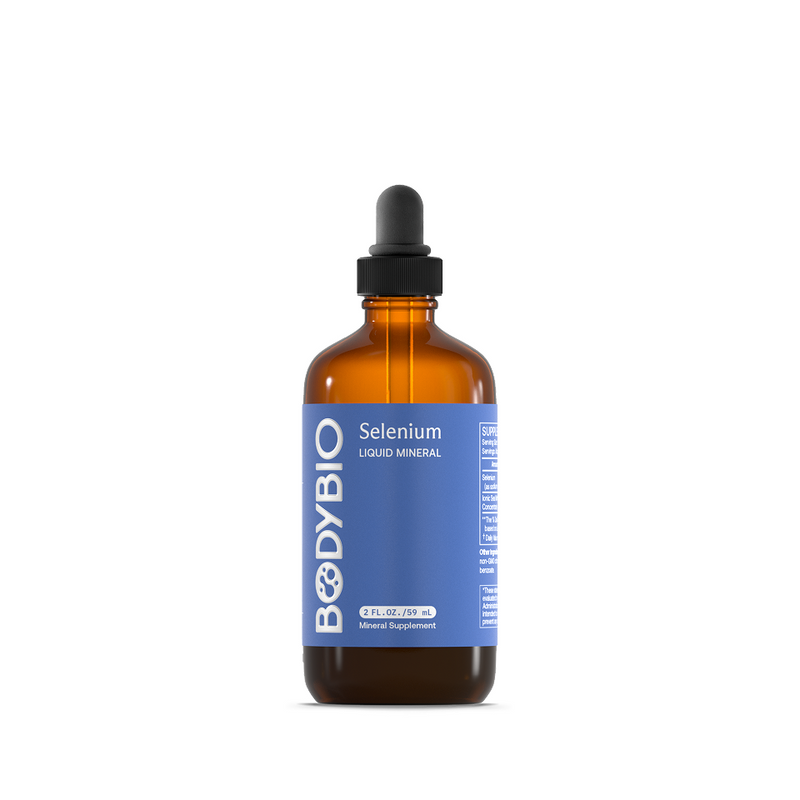
Liquid mineral formulas are superior for this exact reason. Liquid formulations allow for fast absorption and give you the flexibility to control the dose down to the individual drop. This allows you to start slowly and scale up safely as your physiology adapts. Pairing Liquid Iodine with Liquid Selenium ensures the body has both the components for hormone production and the protective antioxidants required to support a healthy inflammatory response.*
How Iodine and Selenium Support Your Overall Cellular Health
We operate on the principle that “Cellness is Wellness” because true health begins with the smallest units in your body: your cells. The relationship between selenium, iodine, and the thyroid perfectly illustrates this concept. You can’t force the thyroid to work harder without supporting the biological structures that actually do the work.
By ensuring the thyroid cells are protected from oxidative stress, you directly support the structural integrity of cell membranes and the fluid communication between systems. Healthy mitochondria within those cells produce the energy required for every systemic function, from cognitive sharpness to metabolic stability. Protecting the cell benefits the entire system.
Building a Resilient Thyroid with Selenium and Iodine
Understanding the synergy between selenium and iodine changes the way we approach metabolic health. Fatigue and sluggishness are clear signals that your cells require specific nutritional components to function correctly. Equipping your thyroid to produce energy safely requires the right balance of trace minerals.
Support your cellular foundation with BodyBio Liquid Selenium and BodyBio Liquid Iodine to protect against oxidative stress and optimize your thyroid function.*