


Selenium for Oxidative Stress: Powerful Cellular Protection (Not Just Thyroid Health)
Authors:

Ashley Palmer
Nutritional Therapy Practitioner, Health & Wellness Expert
Key Takeaways:
You're doing everything right — eating well, moving your body, prioritizing sleep… yet that 3 PM energy crash still hits you like clockwork, and your brain feels wrapped in cotton by evening.
Your doctor says it's stress, your friends say it's just getting older. But, what if your fatigue isn't about needing more sleep or better stress management, but about a trace mineral most people have never heard of outside of "thyroid health?”
Selenium deficiency is prevalent in large parts of the United States. Most doctors never test for it, or even know what tests to order. This leaves millions of people exhausted and confused about why they feel terrible when there's actually a simple explanation.
This little-known mineral quietly runs some of your most important cellular processes. When you don't get enough, your cells can't protect themselves from the daily beating they take. The result? Chronic fatigue, brain fog, and an immune system that can't keep up.
The solution isn't another energy drink or stress management app. It's understanding what your cells actually need to function properly. Here’s how selenium protects your cells, why so many people are deficient, and what you can do about it.
Table of Contents:
-
Understanding Selenium and Oxidative Stress
-
How Selenium Works in the Body
-
Signs Your Body Is Asking for More Selenium
-
Why Selenium Deficiency Has Become So Common
-
Simple Ways to Give Your Cells What They Need
-
Your Energy Problems Might Have a Simple Solution
Understanding Selenium and Oxidative Stress
Most people have heard of selenium but couldn't tell you what it actually does beyond "something about thyroid health." That's a problem, because selenium is doing some heavy lifting in your cells every single day.
What Selenium Is and Why Your Body Relies on It
Selenium is a trace mineral your body needs but can't make on its own. You have to get it from food or supplements, and here's where it gets fascinating. Most minerals just help activate your cellular processes, but selenium actually becomes part of specific proteins. Once selenium gets incorporated, these proteins become incredibly good at stopping oxidative damage before it spreads.
Your cells are under attack every single day just from making energy. Without enough selenium, they can't keep up with protecting themselves. That's why selenium deficiency affects everything from your energy to your immune system to how clearly you think.
How Selenium Actually Works
You make about 25 different selenium-containing proteins, each with its own job. The main ones include glutathione peroxidase, which stops dangerous molecules before they damage your cells, and thioredoxin reductase, which fixes proteins that got hit. Then there's selenoprotein P, which carries selenium around your body while also acting as a protector.
When you have enough selenium, everything runs smoothly. Your energy stays steady, your thinking stays clear, and your body handles stress without falling apart. When you don't have enough, things start breaking down. It’s a perfect recipe for 3 PM crashes, brain fog, and catching every bug that goes around.
How Selenium Works in the Body
Selenium doesn't work alone, it coordinates with other systems to keep your cells functioning optimally.
Your Protective Team at Work
Each selenoprotein has a highly specialized function. Together they create one of your body's most sophisticated antioxidant defense systems. They work in coordination to keep your cellular environment clean and safe at the molecular level.
Glutathione peroxidase specializes in neutralizing hydrogen peroxide and damaged fats. When cell membranes get attacked by free radicals, this selenium-dependent enzyme converts these dangerous compounds into harmless water and alcohol. It's particularly concentrated in your red blood cells and liver; two places that see a lot of oxidative action.
Thioredoxin reductase has a different job. It maintains and repairs proteins that have been damaged by oxidative stress. This system works closely with glutathione, your body's master antioxidant, to keep repair mechanisms running smoothly.
Protecting Your Energy Powerhouses
Your mitochondria generate about 90% of your body's energy, but they're also where most cellular damage originates. Since mitochondria are the powerhouse of the cell, think of them as high-performance engines that produce exactly what you need while creating exhaust as a natural byproduct.
Selenium-based enzymes concentrate around your mitochondria to protect them. When they have enough selenium to work with, your mitochondria can focus on clean energy production instead of constantly defending against damage.
This is exactly why people with adequate selenium levels experience more consistent energy throughout the day. Their cellular engines are running smoothly without the constant stress of fighting off damage. Of course, mitochondrial health depends on multiple factors working together, with selenium being one crucial component.
What Happens When Selenium Systems Are Supported vs. Strained
When your selenium-dependent systems have what they need, everything flows smoothly. Oxidative damage gets cleaned up quickly, energy stays consistent throughout the day, and your cells can focus on repair and maintenance. You feel energized, think clearly, and recover from stress without that lingering exhaustion.
When selenium systems are overwhelmed, things start breaking down. Free radicals pile up faster than your body can handle them, your mitochondria struggle to make clean energy, and cellular repair falls behind. This shows up as afternoon crashes, brain fog, frequent illness, and feeling tired even after a good night's sleep.
Signs Your Body Is Asking for More Selenium
Your body talks to you all day long. You just need to know what it's saying. You wake up feeling okay, then by 3 PM you're ready to crawl under your desk. This isn't about willpower or needing more coffee. Your cells are struggling.
Brain fog usually comes along for the ride. You know that feeling when you read the same sentence three times and still don't absorb it? Or when you walk into a room and completely forget why you're there? That's your brain running on fumes.
Your hair and nails might get brittle too, selenium helps build the proteins that keep them strong. None of these side effects and symptoms have to be permanent. Give your cells what they need, and these symptoms often start improving gradually.
Why Selenium Deficiency Has Become So Common
If selenium is so important, why are so many people deficient? It's not about poor diet choices or lack of willpower. It's about living in a world that's actively working against your cellular health.
Our World Has Changed Faster Than Our Bodies
Modern life attacks your cells constantly. Polluted air, processed foods stripped of nutrients, and chronic stress all create more work for your protective systems than previous generations ever faced.
The selenium in your food depends entirely on where it was grown. Large portions of the United States have naturally low selenium in the soil; the Pacific Northwest, Great Lakes region, Northeast, and parts of the Southeast. Even a perfect diet won't provide optimal levels if you live in these areas.
Most people try to fix fatigue with more caffeine, better sleep hygiene, or stress management apps. These might help temporarily, but they're treating symptoms while ignoring the actual problem.
Simple Ways to Give Your Cells What They Need
Getting enough selenium doesn't have to be complicated. Most people can address this with smart food choices, and targeted supplementation can fill any gaps.
Brazil nuts are selenium powerhouses, just two or three nuts provide most people's daily selenium requirements. They vary dramatically in selenium content, and eating too many on a regular basis can push you into excess territory.
Wild-caught seafood provides predictable selenium levels. Salmon, sardines, tuna, and shellfish all contain easily absorbed selenium forms. If you're eating fish twice a week, you're probably meeting your selenium needs from food alone.
Plant foods are trickier. Garlic, mushrooms, and grains can be great selenium sources if they grew in selenium-rich soil.
Targeted Support (When Appropriate)
For most people, especially those in selenium-poor regions, a modest selenium supplement provides consistent levels that food alone can't match.
Quality supplements contain either selenomethionine or sodium selenate. Both work well when used appropriately. The RDA for selenium is 55 micrograms daily for adults, though many people benefit from 100-200 micrograms from all sources combined.
Don't exceed 400 micrograms daily from supplements. There’s no need to overdo it on selenium. Selenium toxicity can cause hair loss, nail brittleness, and neurological symptoms. The goal isn't to megadose; it's to give your cells what they need to protect themselves properly.
Your Energy Problems Might Have a Simple Solution
The real reason behind your afternoon crashes and mental fog might not be stress, poor sleep, or just getting older. It could be something much simpler: you're not getting enough selenium. If you can get selenium-rich foods consistently, start there. If you live somewhere with poor soil or can't rely on food alone, a modest supplement can bridge the gap.
Be patient with the process. Your cells have been running low for potentially months or years. Give them time to rebuild their protective systems. Some people notice energy improvements within weeks, others see gradual changes over a few months.*
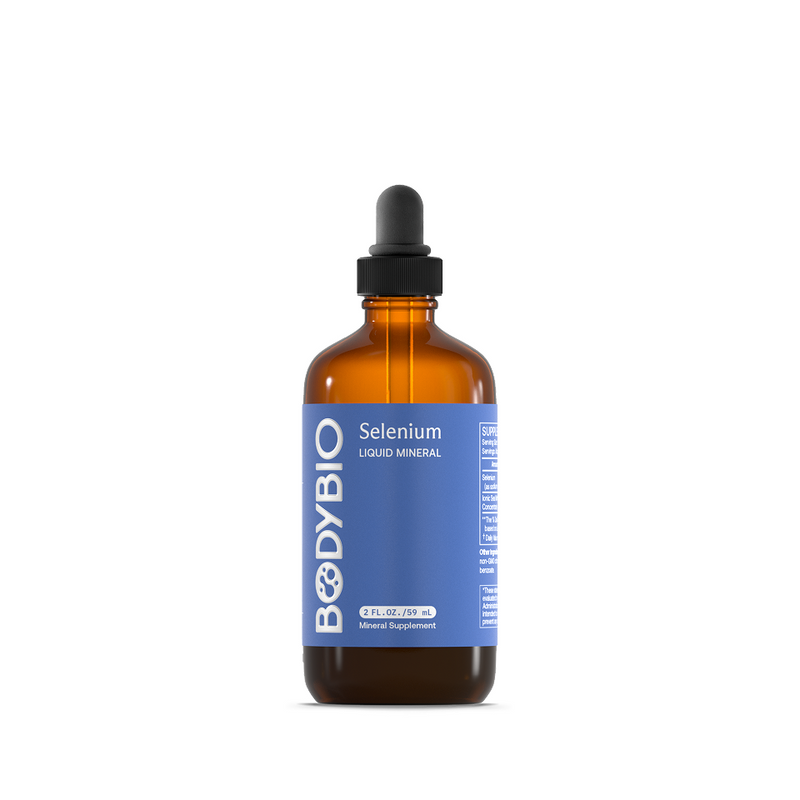
Support Your Body's Natural Cellular Defense System with BodyBio Liquid Selenium.*
