
What Every Athlete Should Know About Glutathione and Cellular Recovery
Authors:

Ashley Palmer
Nutritional Therapy Practitioner, Health & Wellness Expert
Key Takeaways:
You train hard. You sleep, you eat, you follow a protocol. And still, there are weeks where recovery drags, energy stalls, and your body feels like it's working harder than the output justifies.
Most athletes trace that back to training volume, nutrition, or sleep. Glutathione rarely comes up, even though it's one of the most active compounds in your body during exercise and one of the first things to drop when training load gets heavy.
Glutathione is your body's primary antioxidant, produced naturally in the liver and present in every cell. During intense physical activity, your body burns through it quickly. When levels fall behind, the effects show up in the places athletes care about most: recovery time, sustained energy, muscle repair, and immune resilience.
This article covers what glutathione does during exercise, why it depletes, and what supporting your body at the cellular level can mean for how you train and recover.
Table of Contents:
-
Understanding Glutathione
-
How Glutathione Works During Exercise
-
Signs Your Glutathione May Be Running Low
-
Why Athletes Are Especially Vulnerable
-
Supporting Glutathione More Effectively
-
How This Fits Into a Bigger Cellular Health Picture
-
Train Hard, Recover at the Cellular Level
Understanding Glutathione
Glutathione is a tripeptide, a small molecule made from three amino acids: cysteine, glutamic acid, and glycine. Your liver produces it continuously, and it's present in virtually every cell in your body.
Unlike most antioxidants, which work only in specific environments, glutathione is active throughout the body. It neutralizes free radicals, supports detoxification, and helps regenerate other antioxidants including vitamin C and vitamin E after they've done their work.
Glutathione is the body's master antioxidant. It is just as crucial as compounds like glucose and potassium, two compounds your body works hard to keep in balance at all times.
Why the Body Relies on Glutathione
Every metabolic process that generates energy also generates oxidative byproducts. Glutathione's job is to manage that load, clearing reactive oxygen species (ROS) before they accumulate and damage your cells. When glutathione levels are adequate, this process runs efficiently in the background. When they fall, oxidative stress builds, and the effects build quickly from there.
For most people living sedentary or moderately active lives, the body's natural glutathione production keeps pace with demand. Athletes are a different case.
How Glutathione Works During Exercise
What Happens to Glutathione When You Train
Intense physical activity generates free radicals faster than the body can clear them, and that oxidative stress lands hardest on glutathione. Prolonged exercise draws down glutathione in the blood and muscle over time, and the harder you push, the less of the active form remains.
The harder and longer you train, the faster your glutathione depletes. During recovery, the body works to replenish it, but in athletes with high training loads, demand can consistently outpace production.
The Mitochondrial Connection
Research shows that oral glutathione supplementation doesn't just reduce oxidative damage during exercise, it actually triggers the body to build new mitochondria and increase mitochondrial activity in your muscles.
Glutathione isn't only cleaning up oxidative damage after the fact. It's supporting the mitochondrial environment that determines how efficiently your cells produce energy in the first place. Better mitochondrial function means more aerobic energy production at the cellular level, less lactic acid buildup, and less muscle fatigue during sustained effort.
Glutathione also protects mitochondrial membranes from oxidative damage. Alongside phosphatidylcholine, both play a role in keeping those membranes structurally intact. When they are, ATP production runs more consistently, which directly supports endurance, power output, and the ability to sustain effort across a training block.
Signs Your Glutathione May Be Running Low
Athletes experiencing chronically low glutathione often notice a pattern rather than a single symptom:
-
Recovery that takes longer than it should, even with adequate sleep and nutrition.
-
Muscle soreness that lingers beyond a normal window. Energy that feels flat mid-block, not at the start of a training cycle but several weeks in, when oxidative stress has had time to build.
-
A tendency to get sick during the heaviest training periods, when immune cells are burning through glutathione quickly and production can't keep pace.
How pronounced these patterns appear can vary between athletes. Training history, physiology, diet, age, stress load, and environmental factors all influence your body’s baseline glutathione levels and how quickly they deplete under demand.
Glutathione levels also decline naturally with age, which means life-long athletes and older active adults are working with a lower baseline before training load is even factored in.
Why Athletes Are Especially Vulnerable to Glutathione Depletion
The Demands of Modern Training
Competitive and serious recreational athletes train at very high volumes that consistently stress their body's antioxidant systems. High-intensity interval work (HIIT training), heavy resistance training, endurance blocks, and competition schedules can create large amounts of oxidative stress.
Beyond training volume, other variables compound glutathione depletion in athletes’ bodies, including: chronic stress, disrupted sleep, dietary gaps, alcohol, and environmental exposure. Keeping glutathione levels where they need to be under that kind of combined demand doesn't happen by default.
Why Common Approaches Often Fall Short
Most athletes address muscle recovery through protein, sleep, and rest. While these routines definitely matter, they don't directly replenish glutathione.
Standard oral glutathione supplements are fragile in your body’s digestive system and often break down before they reach the bloodstream. Injectable glutathione bypasses your digestive system but may not be the most practical daily option for everyone.
This is why glutathione delivery in the body is extremely important. A supplement that doesn't survive digestion doesn't support cellular glutathione levels, regardless of the dose on the label.
Supporting Glutathione More Effectively
Foundational Support
On the dietary side, sulfur-rich foods (garlic, onions, eggs, and cruciferous vegetables) provide the building blocks the liver needs for glutathione synthesis, as does adequate protein intake (which most athletes already incorporate into their diet).
Sleep matters for the same reason. The body steps up glutathione production overnight, meaning sleep quality directly affects how well glutathione replenishes. These foundational habits matter, but for athletes managing significant training loads, they rarely close the gap on their own.
Targeted Support
Liposomal glutathione is the most practical and well-supported oral option. Liposomes are microscopic lipid spheres that encapsulate glutathione and protect it through the digestive process, allowing it to reach the bloodstream and cells intact. A clinical study found that taking liposomal glutathione raised glutathione levels in the blood by up to 40% within two weeks, and contributed to improvements in immune function and measurable drops in oxidative stress.
Many liposomal supplements simply combine glutathione with lecithin, which doesn’t form a true liposome. What separates a true liposomal delivery system from other formats matters more than the dose on the label.
How Glutathione Fits Into a Bigger Cellular Health Picture
Glutathione works alongside phosphatidylcholine, essential fatty acids, and other compounds that maintain cell membrane integrity and support efficient energy production at the cellular level.
When the cellular environment is well-supported, antioxidant systems work more efficiently, energy production is more consistent, and the body recovers from physical demands without falling significantly behind.
Training adaptation (becoming stronger, faster, and more resilient) depends on cells that can absorb stress and respond to it. That process requires cell membranes that stay structurally intact, mitochondria that produce energy efficiently, and antioxidant systems that clear damage before it compounds.
Train Hard and Recover at the Cellular Level
Glutathione won't replace smart training or a healthy diet, but it does support the cellular conditions that make smart training productive: efficient mitochondria, healthy cell membranes, cleared oxidative load, an immune system that holds up under a heavy schedule.
Most athletes overlook glutathione because it's not a performance enhancer in the conventional sense. Instead, glutathione provides the maintenance work that keeps your cells running the way they’re supposed to. When you build a solid cellular foundation, your body can do what your training asks of it. And the work you put in translates into real results.
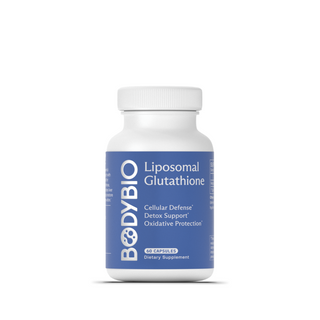
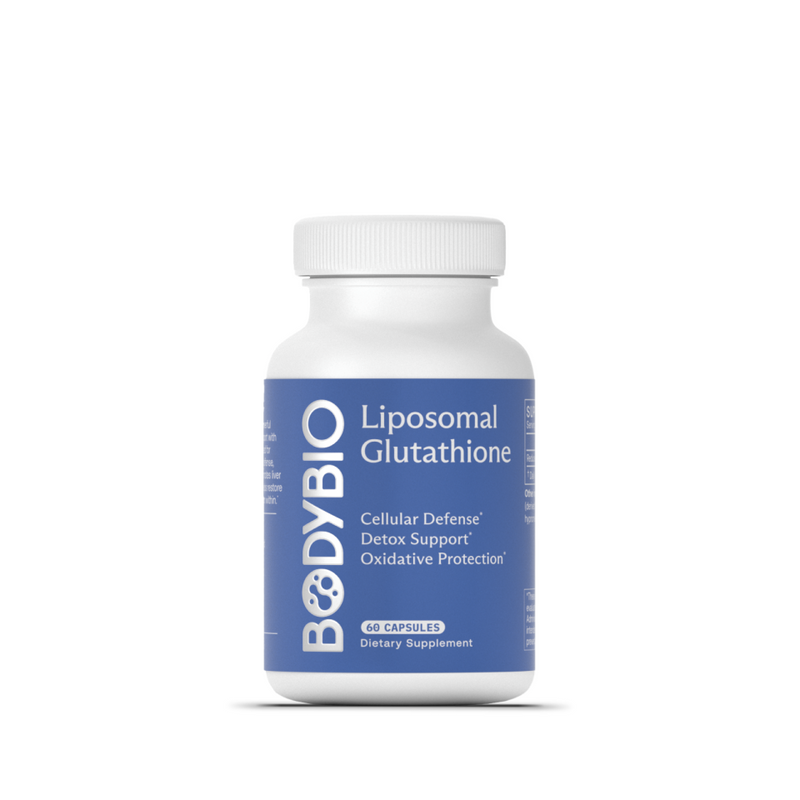
Support your training and recovery at the cellular level with BodyBio Liposomal Glutathione.*