


How Mold and Mycotoxins Damage Your Cells (and What to Do About It)
Authors:

Ashley Palmer
Nutritional Therapy Practitioner, Health & Wellness Expert

Key Takeaways:
Most conversations about mold toxicity focus on the environment—water damage, air quality, or visible growth in your home or workplace. The mold itself isn’t the only problem. It’s what happens days, weeks, or even months after exposure, deep inside your body.
Mycotoxins, the toxic compounds released by mold, don’t just irritate your system. They interfere with how your cells function. And when your cells are compromised, everything from energy to detoxification begins to break down.
To understand why mold illness can feel so persistent and complex, you have to look at two critical structures: the cell membrane and the mitochondria. These are the foundation of cellular health—and two of the primary targets of mycotoxin damage.
Table of Contents:
-
What Are Mycotoxins—and Why Are They So Disruptive?
-
How Mycotoxins Damage the Cell Membrane
-
Mitochondria Under Attack
-
Why Detox Feels So Hard with Mold Exposure
-
Rebuilding the Cell Comes First
-
Additional Support for Mold Recovery
-
A Smarter Approach to Mold Recovery
-
Repair the Cell, Restore the System
What Are Mycotoxins—and Why Are They So Disruptive?
Mycotoxins are toxic substances produced by certain types of mold. They can enter the body through inhalation, ingestion, or even skin contact, especially in water-damaged environments.
Once inside, they don’t just pass through. Many mycotoxins are fat-soluble, which allows them to embed themselves in tissues and interact directly with cellular structures. This makes them harder for the body to eliminate.
Rather than acting like simple irritants, mycotoxins behave more like cellular disruptors. They interfere with normal biological processes, particularly those that depend on healthy membranes and energy production.
How Mycotoxins Damage the Cell Membrane
Every cell in your body is surrounded by a membrane made primarily of phospholipids. This membrane acts as both a protective barrier and a communication hub, controlling what enters and exits the cell.
Mycotoxins increase oxidative stress, which leads to a process called lipid peroxidation. This is where the fats that make up the cell membrane become damaged and unstable—something your body has to deal with rather than healthy fats that support function.
As this damage accumulates, the membrane begins to lose its structure and flexibility. Instead of being fluid and responsive, it becomes rigid and dysfunctional.
This has widespread effects on cellular function:
-
Nutrients have a harder time entering the cell
-
Waste and toxins struggle to leave
-
Cellular signaling becomes less efficient
When the membrane is compromised, the cell loses its ability to regulate and protect itself. Over time, this contributes to a cascade of dysfunction throughout the body.
Mitochondria Under Attack
The damage doesn’t stop at the membrane. It extends inward to the mitochondria, which are responsible for producing energy in the form of ATP.
Just like the larger cell structure, mitochondria rely on healthy membranes to function properly too. When mycotoxins disrupt membrane integrity and increase oxidative stress, mitochondrial performance begins to decline.
This leads to a noticeable drop in energy production. Cells become less efficient, and the body starts to feel it.
Common symptoms linked to mitochondrial dysfunction include fatigue, brain fog, muscle weakness, and reduced resilience to stress. These are some of the most frequently reported complaints in people dealing with mold exposure.
Why Detox Feels So Hard with Mold Exposure
One of the most frustrating aspects of mold illness is how difficult detoxification can feel. Even when you’re doing all the “right” things, progress may be slow or inconsistent.
This often comes back to the condition of the cell.
When membranes are damaged, toxins can become trapped inside cells. At the same time, mitochondrial dysfunction reduces the energy needed to power detox pathways in the liver and digestive system.
This creates a bottleneck. The body wants to detox, but it doesn’t have the structural integrity or energy to do it effectively.
This is why aggressively pushing detox without supporting the cell can sometimes make symptoms worse rather than better.
Rebuilding the Cell Comes First
Before the body can detox efficiently, the cell needs to be restored.
Phospholipids, especially phosphatidylcholine (PC), are a key component of cell membranes. They help maintain structure, flexibility, and proper function.
When you supply the body with high-quality phospholipids, you support the repair and rebuilding of damaged membranes.* This helps restore fluidity and improves the cell’s ability to regulate what comes in and out.
As membrane integrity improves, so does overall cellular function. Nutrient transport becomes more efficient, waste removal improves, and detox pathways can begin to work more effectively.
This is the foundation of a more sustainable approach to mold recovery.
Additional Support for Mold Recovery
Rebuilding the membrane is the priority, but additional support can help the process along.
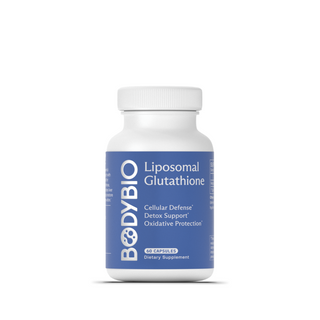
Antioxidants play an important role in protecting cells from ongoing damage. Liposomal glutathione, in particular, helps neutralize oxidative stress and supports the body’s natural detox systems.*
Fatty acid balance also matters. The ratio of omega-6 to omega-3 fatty acids influences membrane structure and flexibility. A balanced intake helps maintain the integrity of newly rebuilt membranes.*
Toxin binders can be useful in certain cases to help remove toxins from the body. Common options include modified citrus pectin, zeolite, and diatomaceous earth.
However, binders should be used strategically. Overuse or improper timing can interfere with the absorption of essential nutrients, including the lipids needed to rebuild the cell.
A Smarter Approach to Mold Recovery
Mold recovery isn’t always about doing more. It’s about doing things in the right order.
When you focus on restoring the structure of the cell first, everything else becomes more effective. The body regains its ability to produce energy, regulate itself, and eliminate toxins naturally.
A more supportive framework looks like this:
-
Rebuild the cell membrane
-
Support mitochondrial function
-
Then enhance detox pathways
This approach aligns with how the body is designed to heal—by restoring function at the most foundational level.
Repair the Cell, Restore the System
Mold illness can feel overwhelming because it affects so many systems at once. But at its core, much of the disruption begins at the cellular level.
When the membrane is damaged and energy production is compromised, the body loses its ability to function efficiently. Symptoms follow close behind.
By focusing on rebuilding the cell membrane, you address one of the root causes of dysfunction. From there, the body is better equipped to detox, repair, and regain balance.
Healing that lasts doesn’t start by pushing harder. It starts by restoring the cellular structure that makes healing possible.


