


What is Methylene Blue? Cellular Energy and Nootropic Benefits
Authors:

Ashley Palmer
Nutritional Therapy Practitioner, Health & Wellness Expert
Key Takeaways:
Have you noticed the recent health trend of people drinking a bright blue liquid and claiming it improves their brain function? That blue liquid is actually called methylene blue, a synthetic pharmaceutical dye, and biohackers are now promoting it as a fast-acting nootropic to clear their brain fog and force their mitochondria to produce more energy.
It sounds a little strange, sure, but the science behind this temporary energy boost is real. There’s one problem, though—relying on a single ingredient to force cellular respiration completely ignores the actual architecture of cellular health. In this article, we’ll explore what methylene blue is, how it alters your biology, and why true, long-term cellular restoration requires a foundational focus on your cell membranes rather than isolated quick fixes.
Table of Contents:
-
What Is Methylene Blue and Why Is It Trending?
-
Does Methylene Blue Actually Improve Mitochondrial Health?
-
The Hidden Problem With Biohacking Your Mitochondria
-
How to Support Cellular Energy Without Synthetic Dyes
-
True Energy Starts With Proper Cellular Support
-
Building Lasting Metabolic Resilience
What Is Methylene Blue and Why Is It Trending?
Before we understand why this compound is gaining popularity, let’s look at its origins and how it alters cellular function. Many people, maybe even including you, are searching for an immediate solution to chronic fatigue. This pursuit can often lead people to experiment with substances outside the realm of traditional nutrition, like methylene blue, which has become a prominent tool to help manage chronic fatigue. However, if you’re going to use methylene blue, it’s important to understand its original application and how it interacts with our human biology.
The Basics Of Methylene Blue As A Pharmaceutical Dye
Methylene blue originated in the 1800s as a textile dye before becoming the first fully synthetic medicine used to treat malaria. Today, doctors use it primarily as an FDA-approved treatment in hospitals for a rare blood disorder called methemoglobinemia, a condition where the red blood cells struggle to deliver oxygen to the body’s tissues. Because of methylene blue’s intense coloring, surgeons also use it as a dye to identify lymph nodes and map tissues during cancer procedures.
While it has legitimate medical uses, experimenting with it casually can come with significant risks. Purity is a major concern. Many people looking for a quick energy fix accidentally end up purchasing industrial or fish tank-grade methylene blue, which is often contaminated with toxic heavy metals. Even pharmaceutical-grade formulations can interact dangerously with certain daily medications. For example, combining this dye with common antidepressants can trigger serotonin syndrome, a potentially life-threatening biological reaction.
How Methylene Blue Acts As A Nootropic For Brain Fog
So why are people drinking a hospital-grade dye to clear their minds? It comes down to how methylene blue interacts with your mitochondria. When taken in very low, highly controlled doses, methylene blue acts as an alternative electron carrier. This means it directly donates electrons to your mitochondria, allowing them to bypass some of the normal biological steps required for cellular respiration, aka energy production.
This direct electron donation helps your cells produce adenosine triphosphate (ATP) much faster. ATP is the primary energy molecule that fuels your cells. By temporarily increasing cellular oxygen consumption and rapidly increasing energy production in the brain, low-dose methylene blue can help clear mental fatigue and sharpen focus. It provides a rapid surge of biological energy, which is exactly why it has earned a reputation as a fast-acting nootropic in the wellness space.
Does Methylene Blue Actually Improve Mitochondrial Health?
When fatigue sets in, it’s natural to want a quick solution to help your body produce more energy, and methylene blue targets specific internal structures to increase your output temporarily. While the science behind how it works is valid, isolating this single pathway only tells part of the story when it comes to your overall cellular health.
The Cellular Respiration And Energy Connection
Methylene blue specifically targets your mitochondria, the microscopic structures that generate the energy required for every physiological process in your body. When you take low doses of this compound, it easily crosses your cell membranes and accumulates right inside the mitochondria. Once there, it acts as an alternative electron carrier, and instead of going through the normal, sequential steps of cellular respiration, methylene blue shuttles electrons directly to the final stages of energy production.
This biological shortcut increases your cellular oxygen consumption, reduces the accumulation of harmful free radicals, and rapidly stimulates energy output. Because of these unique cellular properties, it may also act as an effective antiviral agent, but research is still developing on this.
Short-Term Energy vs Long-Term Strain on Your Cells
When your mitochondrial health is naturally supported, your body maintains a steady, reliable output of energy. Using an isolated compound like methylene blue creates a temporary surge in that output. This functional boost feels highly effective in the short term, but you run into problems when you force your mitochondria to work harder without supporting their physical structure.
Your mitochondria actually have their own delicate membranes made up of specialized phospholipids. For energy production to work safely and efficiently, these membranes must remain fluid and flexible. If your body lacks the essential fatty acids required to maintain these boundaries, the mitochondrial membranes become rigid. Forcing a surge of energy through stiff, unsupported mitochondria using a synthetic dye only masks your fatigue while completely ignoring the foundational health of your cells.
The Hidden Problem With Biohacking Your Mitochondria
Relying exclusively on isolated compounds to address deep fatigue ignores the fundamental biology of how human cells operate. Most biohacking advice tends to treat the body like a collection of parts that can be individually upgraded. However, biological systems are deeply interconnected, and forcing one structure to overperform without supporting its surrounding environment eventually leads to systemic strain.
Why You Need to Address the Cell Membrane
Maintaining optimal health is difficult when dealing with intense environmental and nutrient stress. Chronic psychological and physiological demands drain the body of its natural resources, and people frequently attempt to address this exhaustion by reaching for single ingredients to force a specific physiological reaction. It’s no different than taking a prescribed medication to mask a symptom without treating the root cause of that symptom.
These single ingredients do help boost mitochondrial health temporarily. However, focusing only on the final step of the energy-making process is like putting new windows on a burning house. You aren’t addressing the body’s architecture itself, which is the cell membrane.
If either the outer cell membrane or mitochondrial membrane is stiff and lacks proper nutrients, the cellular structures can’t receive the support they need to function safely over time. A forced surge of energy can’t resolve the underlying structural deficiency.
How to Support Cellular Energy Without Synthetic Dyes
True cellular support requires shifting away from quick fixes and prioritizing the foundational components your cells actually need to regulate themselves. Instead of bypassing your natural energy pathways with a synthetic dye, you can provide the structural materials your biology requires to produce energy efficiently and safely.
Rebuilding Your Lipid Bilayer With Phospholipids
Long-term restoration of your cells and your mitochondria requires a deep focus on phospholipids. Phospholipids are specialized fat molecules that form the boundary of every single cell in your body. This boundary is known as the lipid bilayer. Crucially, phospholipids also form the protective membranes that wrap around your mitochondria.
Phospholipids, particularly phosphatidylcholine, act as the gatekeepers of your cells. They create a highly fluid, semi-permeable barrier that allows vital nutrients and oxygen to flow in while letting cellular waste flow out. When your body lacks these lipids, the cellular environment becomes rigid and compromised. Bypassing a stiff, unhealthy cell membrane to force energy production inside the mitochondria is simply unsustainable for the long term. You have to rebuild the architecture first.
Essential Fatty Acids For Mitochondrial Health
To keep those phospholipids healthy and your cell membranes fluid, you also need essential fatty acids. Specifically, your body requires linoleic acid (omega-6) and alpha-linolenic acid (omega-3). Your body can’t produce these fatty acids on its own, meaning you have to get them consistently through your diet or targeted supplementation.
These essential fatty acids provide the exact structural materials your body uses to construct healthy cell membranes. When you supply your cells with the right ratio of unoxidized linoleic and alpha-linolenic acids, your cellular boundaries remain flexible and highly oxygenated. You know what that means—more energy.
Because your mitochondria require a constant supply of oxygen to create sustained energy, maintaining a fluid, healthy membrane is the most effective way to support your daily energy levels naturally. When you address the architecture of your cells, you don’t have to rely on forced, synthetic stimulation.
True Energy Starts With Proper Cellular Support
At BodyBio, we operate on a very simple principle: when your cells are properly supported, your entire body functions more efficiently. The growing trend of using isolated biohacks like methylene blue perfectly illustrates why skipping your foundational health never works in the long run. True vitality does not come from forcing a temporary biological reaction; it comes from nourishing your body at the cellular level so you can remain healthy for the long term.
Why Your Structural Lipids Matter Most
You simply can’t force your cellular structures to work harder without supporting the membranes that protect them. When you prioritize healthy cell membranes, you allow for seamless communication between all your systems.
A fluid, well-structured lipid membrane ensures that vital nutrients flow in and cellular waste flows out efficiently. If you ignore these structural lipids, your cells become sluggish and unresponsive, no matter what supplements you take. By protecting and rebuilding this cellular boundary first, you optimize your entire physiological system from the ground up, giving you the natural, sustained energy you’ve been searching for.*
Building Lasting Metabolic Resilience
Understanding the limitations of isolated compounds changes the way we approach systemic health. While methylene blue may offer a temporary surge in focus, chronic fatigue is a clear signal that your cells require more systemic support to function correctly.
Establishing a resilient metabolism requires a balanced, foundational approach. Support your mitochondria and cell membranes with the essential fatty acids they need to stay flexible and function well.
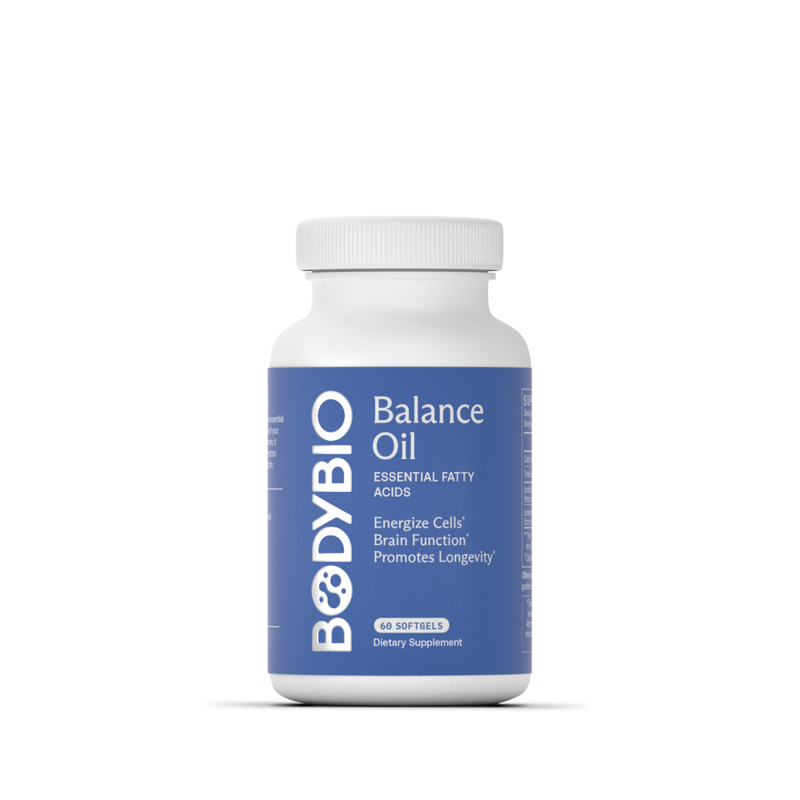
Explore BodyBio Balance Oil for Cellular Support and Energy Production*


