


Are Seed Oils Bad For You? The Impact of Oxidized Omega-6 on Cell Membranes
Authors:

Ashley Palmer
Nutritional Therapy Practitioner, Health & Wellness Expert
Key Takeaways:
The cultural conversation around seed oils and good vs bad fat is louder than ever. You’ve likely heard that seed oils like canola, soybean, and sunflower are toxic and should be avoided at all costs. While the advice to avoid highly processed seed oils is correct, simply calling all seed oils toxic doesn’t tell the full story.
The real issue isn’t the seed oils or omega-6 fatty acids themselves. The problem is what happens to the physical structure of these fats when they are exposed to extreme heat and chemical processing. In this article, we’re going to look closely at the impact of oxidized linoleic acid (omega-6) and explain exactly how it impacts your well-being down to the cellular level.
Table of Contents:
-
Does Your Body Actually Need Omega-6 and Omega-3 Fatty Acids?
-
What Oxidized Seed Oils Do to Your Cell Membranes
-
The Hidden Impact Oxidized Linoleic Acids Have on Your Mitochondria and Daily Energy
-
How Oxidized Fats Compromise Your Cellular Structure, Immunity, and Circulation
-
Nourishing Your Lipid Bilayer with Healthy Fats
-
How to Build Resilient Cellular Structure
Does Your Body Actually Need Omega-6 and Omega-3 Fatty Acids?
It’s a common misconception that all omega-6 fatty acids are inherently bad for you. In reality, your body needs linoleic acid to build the structure of every cell membrane in your body. In fact, our bodies require a very specific, four-to-one ratio of omega-6 to omega-3 fatty acids. This balance keeps the outer layer of your cells fluid and flexible so nutrients can pass through easily, while still keeping enough structure to build… well, you.
In addition, essential fatty acids also help support:
-
Communication between the neurons in your brain
-
Healthy production of hormones
-
The integrity of your skin barrier integrity
-
A healthy inflammatory response
The Difference Between Essential Fatty Acids and Damaged or Oxidized Linoleic Acid
However, your body can’t produce essential fatty acids on its own. Many people turn to supplements, particularly marine sources like fish oil, to correct the omega-6 to omega-3 ratio, assuming they already have too many toxic omega-6 fats in their diet. But the problem with fish oil is that it is just as vulnerable to breaking down and becoming harmful to your body if not extracted and stored correctly. On top of that, you’re not getting any pure, biologically essential omega-6 from a fish oil supplement.
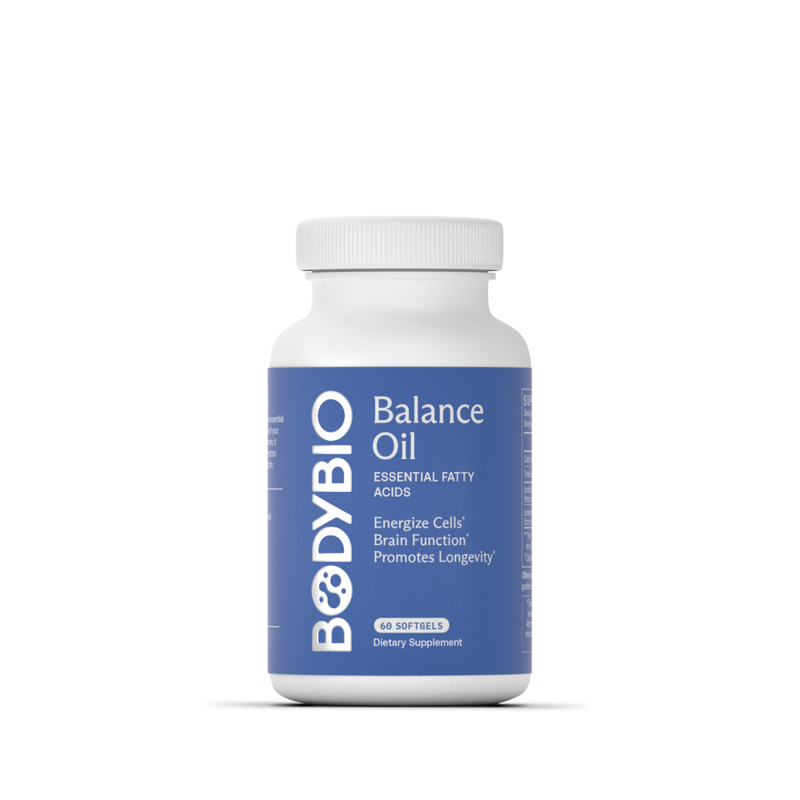
Recognizing this specific biological requirement is what inspired the formulation of BodyBio Balance Oil. Because you can’t achieve optimal health by eliminating omega-6 entirely, you must consume it in its pure, unoxidized form, alongside omega-3s.
What Makes Oxidized Fatty Acids Bad For You?
The danger from these essential fatty acids happens when they are heavily processed. Linoleic acid (omega-6) contains fragile double bonds that are highly vulnerable to oxidation. So, when commercial or industrial seed oils undergo high-heat extraction, bleaching, and chemical deodorization, these fatty acids can become oxidized.
In other words, this process can transform an essential fatty acid into oxidized linoleic acid. These are damaged lipid molecules, and instead of nourishing your cells, they can contribute to membrane damage, increased membrane permeability (also known as leaky membranes), and impaired cellular function.
What Oxidized Seed Oils Do to Your Cell Membranes
Your body actively uses the dietary fats you consume to build its cellular architecture. When you ingest oxidized fats, your body incorporates these damaged lipids directly into your cell membranes.
Healthy cell membranes require unoxidized essential fatty acids to remain fluid and adaptable. But oxidized lipids create a rigid, stiff cellular boundary. This structural damage directly impairs the cell’s ability to absorb essential nutrients and efficiently clear out biological waste.
The Domino Effect of Damaged Fats
When you consume oxidized seed oils, you introduce highly reactive molecules into your body that trigger a process called lipid peroxidation. This is a biological chain reaction where damaged lipids literally steal electrons from the surrounding healthy fats in your cell membrane.
Instead of remaining an isolated issue, just one oxidized molecule compromises the structural integrity of your entire cell membrane. This tears down the cellular structure from the outside in, leaving your tissues highly vulnerable to further damage.
The Hidden Impact Oxidized Linoleic Acids Have on Your Mitochondria and Daily Energy
The mitochondria inside your cells have their own specific membranes too. These energy centers require unoxidized linoleic acid to produce cardiolipin, a unique phospholipid that structurally supports the mitochondrial membrane.
When oxidized lipid metabolites enter the mitochondria, they can disrupt the formation and function of healthy cardiolipin. Without a strong mitochondrial membrane, these energy powerhouses cannot efficiently produce energy. This impairment in energy production can contribute to systemic cellular sluggishness and chronic fatigue over time.
How Oxidized Fats Compromise Your Cellular Structure, Immunity, and Circulation
When oxidized linoleic acid enters your bloodstream, your immune system recognizes it as a damaged particle that needs to be cleared. Specialized immune cells, called macrophages, try to surround these oxidized lipids to protect your body. Because these damaged fats are structurally abnormal, however, the macrophages can’t process them.
Instead of clearing the debris, the immune cells become filled with oxidized lipids and transform into dysfunctional foam cells. This process is actually one of the root causes of plaque buildup in your arteries. These foam cells get trapped along your blood vessel walls, neutralizing their protective abilities and creating a dangerous buildup of cellular waste right where your blood needs to flow freely.
Nourishing Your Lipid Bilayer with Healthy Fats
You don’t need to restrict all essential fats to stay healthy — actually, you need to supply them consistently in the right ratio and form. Long-term cellular support comes from providing your body with the exact structural materials it needs to thrive. Unfortunately, finding truly unoxidized oils on the modern grocery shelf can be incredibly difficult.
While shopping, prioritize high-quality fats, such as grass-fed butter, ghee, and reputable extra virgin olive oil brands. Choosing minimally processed fats is an important step in supporting cellular integrity. In addition, incorporate a variety of nuts and seeds into your diet—especially walnuts, chia seeds, hemp seeds, and flax seeds—as these foods naturally provide the essential fatty acids linoleic acid (omega-6) and alpha-linolenic acid (omega-3), helping support overall cellular membrane health.
How to Build Resilient Cellular Structure
Replacing damaged fats with stable essential fatty acids allows your body to gradually rebuild healthy, fluid cell membranes over time. Cellular health is a continuous process, and every day presents an opportunity to provide your cells with safe, unoxidized structural materials.
By intentionally avoiding processed oils and prioritizing pure essential fatty acids, you empower your biology to clear out damaged lipids and restore systemic cellular communication. Learning how to remove seed oils from the body helps encourage this cellular turnover, but the ultimate advice is to be patient with your body and remain consistent.
Over time, you’ll rebuild your cellular foundation from the ground up, and incorporating BodyBio Balance Oil helps ensure your cells have the pure, unoxidized materials they need to make that happen.*
Learn More About BodyBio Balance Oil for flexible, resilient cells.*


