


Butyrate and IBS: What Your Gut Cells Actually Need
Authors:

Ashley Palmer
Nutritional Therapy Practitioner, Health & Wellness Expert
Key Takeaways:
You've tried the probiotics. You've cleaned up your diet. You're doing everything you're supposed to do, and your gut still isn't cooperating.
If you have IBS, that frustration is familiar. Bloating, urgency, unpredictable mornings, the constant guessing game of what's going to set things off.
What often gets missed in the conversation around IBS isn't a trendy new supplement or a stricter elimination diet. It's something more foundational: what your gut's own cells actually need to function.
Here's a closer look at what butyrate does, why IBS and low butyrate levels are closely linked, and how supporting the gut at the cellular level can make a difference.
Table of Contents:
-
Understanding Butyrate
-
How Butyrate Works in the Gut
-
Why This Becomes an Issue for People With IBS
-
Supporting the Body More Effectively
-
Butyrate, IBS, and the Cellular Health Connection
-
How Butyrate Supports IBS Comfort Long-Term
Understanding Butyrate
Butyrate is a short-chain fatty acid (SCFA) produced in the colon when beneficial gut bacteria ferment dietary fiber, specifically resistant starch. It belongs to a class of compounds called postbiotics, the functional byproducts of a healthy microbiome.
Unlike probiotics, which are living bacteria, butyrate is a metabolite. It's a compound your body puts to work directly at the cellular level. Understanding the difference between probiotics and postbiotics, like butyrate, is a useful shift you can make when thinking about gut health.
Why the Body Relies on Butyrate
Your colon is lined with specialized cells called colonocytes. These cells run almost entirely on butyrate, providing up to 90% of their energy needs.
When colonocytes have what they need, they do their job well. They maintain the integrity of the gut lining, regulate what passes into the bloodstream, support a healthy inflammatory response, and help keep gut motility on track. Without enough butyrate, the gut’s main source of energy, the gut simply can't do its job well.
How Butyrate Works in the Gut
Butyrate supports three interconnected systems in the gut: the gut lining, the immune environment, and gut motility.
The gut lining is just one cell layer thick. Butyrate fuels those cells and supports the tight junctions between them, the structural connections that keep the barrier intact and functioning.
At the immune level, butyrate helps the body maintain a balanced inflammatory response in the colon without triggering overactivation. And because it directly influences the rhythmic contractions that move contents through the digestive tract, it plays a meaningful role in the irregular patterns that so many people with IBS experience.
What Happens When Butyrate Levels Are Supported vs. Strained
When butyrate is available in adequate amounts, the gut lining stays resilient, motility is more regular, and digestive comfort improves, whether you have a diagnosis of IBS or not.
If butyrate levels fall short, the gut barrier may become less stable, motility can become unpredictable, and the colon's immune environment may shift. How pronounced these patterns are varies from person to person. Diet, stress, genetics, and microbiome composition all play a role in your body’s patterns too.
Why This Becomes an Issue for People With IBS
Modern Stressors on Butyrate Production
Butyrate is made by gut bacteria that ferment resistant starch, a type of fiber found in foods like cooked and cooled potatoes, legumes, and underripe bananas. The modern diet is low in these foods. That means many people simply aren't giving their gut bacteria the raw materials they need to produce adequate butyrate levels.
Antibiotic use, chronic stress, and certain medications can also reduce the population of butyrate-producing bacteria in the colon. Over time, that compounds the butyrate production gap.
Why Common Approaches Often Fall Short
Probiotics can be a valuable part of gut health support, but most probiotic strains are not butyrate-producing species. They can shift the microbiome, but they don't directly address the fuel shortage that many IBS-related symptoms may stem from.
Fiber-based approaches come with a similar challenge. In some people with IBS, increasing fermentable fiber can worsen bloating and gas before it helps, because a disrupted microbiome may not efficiently use that fiber to make butyrate.
Since butyrate works at the cellular level, the signs of low butyrate can overlap common IBS symptoms, which is part of why the connection between the two gets overlooked.
Supporting the Body More Effectively
Foundational Support for Butyrate Production
Diet is the first step to improving the body's natural butyrate production. Foods high in resistant starch give butyrate-producing bacteria what they need to function properly.
Foods that naturally support butyrate production include cooked and cooled rice, potatoes, and legumes. A steady intake of resistant starch over time does more for the microbiome than occasional high-fiber days followed by low-fiber ones.
Stress management and adequate sleep can also support a more stable gut environment. Chronic stress directly affects microbiome composition and motility through the gut-brain axis.
When Targeted Butyrate Support Makes Sense
For people whose microbiome is disrupted or whose diet can't consistently provide enough resistant starch, direct butyrate supplementation is another option for long-term support.*
Supplemental butyrate delivers the short-chain fatty acid directly to the colon, where colonocytes can put it to use.* Clinical research has shown that sodium butyrate supplementation is associated with improvements in abdominal comfort and bowel regularity in people with IBS.
Sodium butyrate and calcium magnesium butyrate are both effective options, and the differences between which works best for your body often come down to your individual health history and mineral needs.*
Butyrate, IBS, and the Cellular Health Connection
IBS is complex, and its causes vary from person to person. But one consistent finding in the research is that people with IBS tend to have lower levels of butyrate-producing bacteria and overall reduced short-chain fatty acids in the gut. That points to a cellular resource problem as much as a microbiome problem.
When the cells lining the colon are undersupported, the entire digestive environment becomes less stable. Gut barrier function, motility, immune signaling, and communication along the gut-brain axis all depend on colonocytes having what they need to function.
Supporting the gut at the cellular level is not a replacement for other gut health practices (whole food probiotics, exercise, etc.). It’s the foundation that makes those practices more effective. When your cells are supported, the body functions more efficiently as a whole.
How Butyrate Supports IBS Comfort Long-Term
IBS can feel like a moving target, and the path toward better digestive comfort is rarely a straight line or a quick fix. Supporting your gut at the cellular level creates a more stable foundation, and that starts with making sure colonocytes have the fuel they need.*
Butyrate works best as part of a consistent approach that includes diet, lifestyle, and targeted support where needed. Progress tends to be gradual, and that's expected. It reflects the time it takes for the gut lining to strengthen and the microbiome to rebalance.
IBS makes a lot more sense when you know what the gut's cells actually need. And that clarity is often where real progress begins.
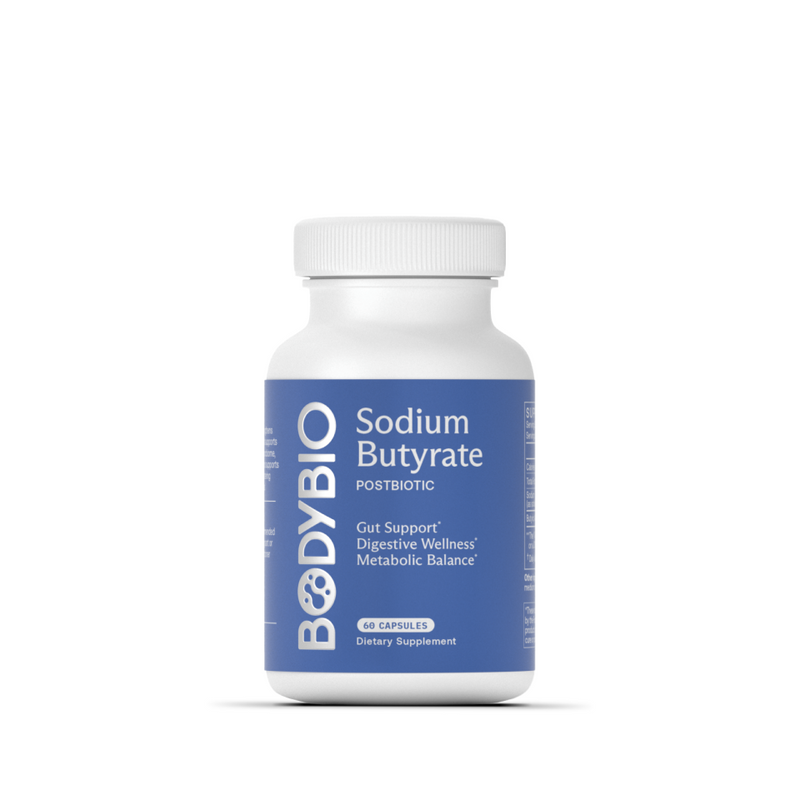
Support your gut at the cellular level with BodyBio Butyrate.*
