



Weight Loss Medications and GI Distress: How to Support Digestion During Medical Weight Loss
Authors:

Ashley Palmer
Nutritional Therapy Practitioner, Health & Wellness Expert
Key Takeaways:
Medical weight loss has completely changed the conversation around metabolism.
For many people, weight loss medications have opened the door to meaningful progress after years of struggling with appetite regulation, insulin resistance, or stubborn weight gain. In many cases, these medications help reduce food cravings, improve blood sugar control, and make weight loss feel more attainable than it previously did.
But while the metabolic benefits often get the spotlight, digestion is where many people first notice that something has shifted. A new feeling of fullness after only a few bites. Longer gaps between bowel movements. Nausea that comes and goes without warning. Perhaps even bloating that was not there before.
These digestive changes are extremely common because the same mechanisms that help regulate appetite also directly affect how food moves through the gastrointestinal tract.
And when digestion slows, the gut often needs more attention and support—not less.
How Modern Weight Loss Medications Work
Weight loss medications influence communication between the digestive system, pancreas, and brain.
One of their main effects is slowing gastric emptying, which means food leaves the stomach more slowly than usual. This helps prolong fullness after eating and naturally reduces calorie intake.
That slower digestive pace is one reason these medications can be so effective. However, it also alters normal digestive patterns, and the body may need time to adjust.
When food moves more slowly:
-
Stomach fullness lasts longer
-
Appetite signals stay suppressed
-
Bowel movements may become less frequent
-
Digestive secretions can decrease
This is not simply a side effect—it is part of how these medications work.
The digestive tract is highly responsive to pace, volume, hydration, and meal composition. When all of those suddenly change, symptoms often follow.
Common Digestive Side Effects During Medical Weight Loss
The most common digestive complaints tend to reflect slower gut movement and lower digestive stimulation.
These often include:
-
Constipation
-
Nausea
-
Bloating
-
Early fullness
-
Reduced appetite
-
Irregular bowel habits
For some people, these symptoms are mild and temporary. For others, they become one of the main reasons staying consistent feels difficult.
A major reason is that eating less frequently means the digestive system receives fewer natural signals to keep moving. Less food means less mechanical stimulation in the intestines. Less dietary fat can also reduce bile release, which affects digestion further downstream.
Rapid weight loss itself adds another layer, especially for the gallbladder. As stored fat is mobilized, bile composition changes. At the same time, if bile is not moving efficiently through the gallbladder, it can become more concentrated. Over time, this combination may increase discomfort or create gallbladder stress over time.
This is one reason digestive support matters just as much as calorie reduction during active weight loss.
Why Gut Motility and Bile Flow Matter
Gut motility is the coordinated muscular movement that moves food, waste, and digestive secretions through the digestive tract.
When motility slows too much, digestion can begin to feel heavy and incomplete. Food remains in the stomach longer and in turn, waste stays in the colon longer. Fermentation increases and bloating often follows.
As mentioned before, bile flow may also become less active. Bile does far more than digest fat. It helps move waste products out of the body and supports regular bowel movements. Healthy bile release depends partly on eating enough fat and eating regularly enough to stimulate gallbladder contraction.
When food intake drops sharply—or when fat is avoided—bile slows down.
This is why digestive discomfort during weight loss is often not just about one symptom. It is about several systems slowing down at once.
Butyrate: Supporting Gut Motility and Intestinal Health
Butyrate is one of the most important compounds for colon health.
It is a short-chain fatty acid naturally produced when beneficial gut bacteria ferment certain fibers in the colon. Its primary role is to fuel the cells lining the large intestine, supporting gut barrier integrity.
But butyrate also influences how comfortably the digestive tract functions day to day.
Healthy butyrate levels support:
-
Intestinal cell energy production
-
Gut lining integrity
-
Microbiome communication
-
Normal bowel movement rhythm
This becomes especially relevant during medical weight loss because appetite suppression often leads to lower fiber intake.
When less fiber is consumed, natural butyrate production may also fall. That means the gut may be dealing with slower motility while also producing less of one of its key protective compounds.
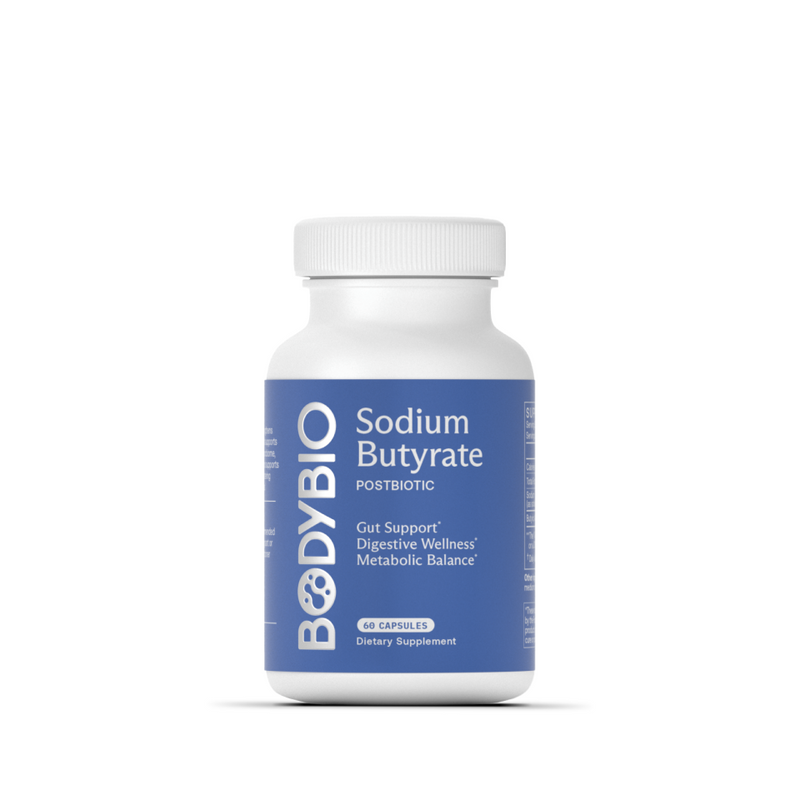
BodyBio Butyrate provides direct butyrate support in a targeted form, helping nourish intestinal cells even when diet is inconsistent. For people experiencing sluggish digestion, this can become an important part of maintaining gut resilience.*
TUDCA: Supporting Bile Flow During Weight Loss
TUDCA is a bile acid compound naturally involved in keeping bile moving efficiently through the liver and gallbladder. This matters because bile stagnation is one of the lesser-discussed digestive challenges during rapid weight loss.
When bile does not circulate well:
-
Fat digestion becomes less efficient
-
Gallbladder workload increases
-
Digestive heaviness may worsen
TUDCA helps support healthy bile dynamics by promoting normal bile flow and movement through the liver and gallbladder. This can be especially helpful when meals are smaller, fat intake is inconsistent, or digestion feels slower than usual.
Healthy bile flow also supports absorption of fat-soluble nutrients, including vitamins A, D, E, and K. During active metabolic change, those nutrients matter deeply for cellular repair and fuel.
Lifestyle Factors That Help Reduce Digestive Side Effects
Supplements can help, but daily habits still shape how digestion adapts.
Hydration and Mineral Balance
Many people eat less while also drinking less without realizing it. This is one reason constipation often appears quickly. Water is important, but minerals help determine whether that water actually moves into tissues and supports gut function.
BodyBio ReMineralize provides trace minerals that help support hydration at the cellular level, while BodyBio e-lyte can help replenish key electrolytes needed for fluid balance.*
Even mild mineral depletion can make sluggish digestion worse.
Sufficient Fiber
Fiber remains one of the most important tools for maintaining bowel rhythm. But during appetite suppression, fiber intake often drops naturally because total food volume drops too.
A gradual increase of soluble fiber works best, as too much fiber too quickly can worsen bloating if motility is already slow.
Balanced Meals That Include Healthy Fats
Very low-fat eating may seem intuitive during weight loss, but healthy fats help stimulate bile release and keep digestion moving.
Small amounts of the following fats daily can help support digestion more than eliminating fat entirely.
-
Olive oil
-
Avocado
-
Eggs
-
Fatty fish
Healthy fats are not simply calories—they are digestive signals.
Supporting Digestion Makes Weight Loss More Sustainable
Weight loss medications can create meaningful metabolic change, but digestion often needs extra support to keep pace. Constipation, bloating, nausea, and gallbladder discomfort are not random. They often reflect slower motility, reduced digestive signaling, bile stagnation, and changes in hydration.
The goal is not simply weight loss—we must help the body adapt well while that change happens.
Prioritizing hydration, minerals, healthy fats, butyrate, and bile-supportive nutrients may help the process feel more sustainable and comfortable over time.