


TUDCA for Cognitive Function: The Surprising Brain Benefits of a Liver Supplement
Authors:

Ashley Palmer
Nutritional Therapy Practitioner, Health & Wellness Expert
Key Takeaways:
Have you ever woken up after a full night's sleep, only to feel a heavy, sluggish cloud hanging over your mind? You pour another cup of coffee. You try to focus. You might even try doing brain exercises or puzzles to get your mind right and jumpstart your day. But no matter what you do, that disconnected, unmotivated feeling just won’t budge.
You probably already know the term for this fuzzy-brain feeling: brain fog. This reduced cognitive function can be incredibly frustrating and even debilitating at times. Many people assume it’s just a normal part of life, or a symptom of having a busy schedule. But brain fog is not just “in your head”; it actually starts at the cellular level, and we have the power to keep our minds sharp as we age.
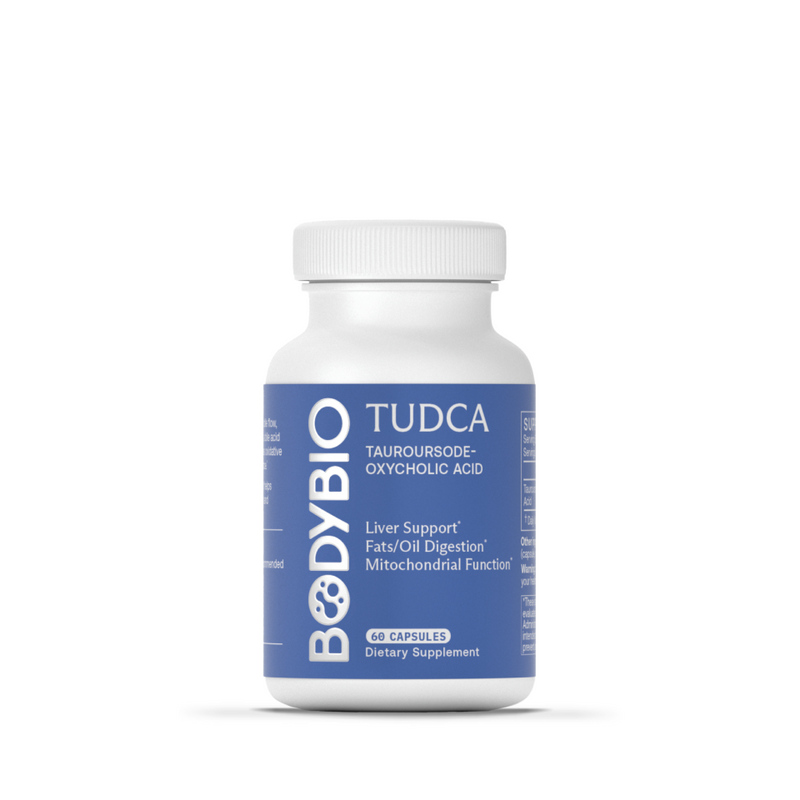
One of the best ways to do that is through supplementation. If you’re familiar with Tauroursodeoxycholic acid (TUDCA), you likely know it as an essential supplement for liver detoxification and gallbladder support. However, neuroscience research is rapidly investigating the effects of TUDCA on brain health, and its findings are profound. More than just aiding in digestion and detoxification, this unique supplement acts as a systemic chemical chaperone for your entire body, including your brain.
In this article, we’re going to answer the question of what TUDCA does for the brain and nervous system, explore how it helps clear cellular waste, and find out why this unique bile acid is one of the most effective cellular health supplements for supporting your cognitive vitality.
Table of Contents:
-
What is TUDCA Used For? (More Than Just Liver Support)
-
How TUDCA Connects the Gut to the Brain
-
How TUDCA Helps Clear the Brain Fog
-
How Cellular Health Supplements and Your Lifestyle Help Support a Healthy Brain
-
Supporting Your Brain from the Inside Out
What is TUDCA Used For? (More Than Just Liver Support)
The Basics of Bile Acids
To understand how a digestion supplement can help your brain, we first have to answer what TUDCA is used for traditionally. TUDCA stands for Tauroursodeoxycholic acid, and it’s a water-soluble bile acid that is naturally produced in very small amounts by your body. Its primary biological job is to assist with bile flow, break down dietary fats, and support liver and gallbladder health.
Systemic Support at the Cellular Level
However, TUDCA’s benefits go far beyond the liver. When evaluating TUDCA vs milk thistle or other botanicals or bile acid supplements traditionally used for holistic health support, TUDCA stands out because it works systemically. It acts as a sort of chemical chaperone, traveling throughout the body to find cells under stress—specifically Endoplasmic Reticulum (ER) stress.
Think of the ER as the manufacturing center of the cell. When it gets stressed, it makes mistakes and produces malformed proteins. TUDCA steps in to help these stressed cells stabilize, repair themselves, and return to normal function. These widespread health benefits of TUDCA and other bile salts are exactly why TUDCA is an unsuspecting yet impressive supplement for neurological support.
How TUDCA Connects the Gut to the Brain
How TUDCA Crosses the Blood-Brain Barrier
Many traditional supplements and vitamins never actually make it to the brain. The brain is protected by the blood-brain barrier, a highly selective border of endothelial cells that strictly regulates what substances can enter the brain and central nervous system. When this cellular border is compromised by chronic stress or inflammation—a state sometimes referred to as “leaky brain”—unwanted toxins can slip through, leading to cognitive sluggishness and brain fog.
TUDCA is unique because it easily crosses the blood-brain barrier. By physically entering the brain and nervous system, it provides direct, targeted neuroprotective support to your brain cells.* Once inside, it interacts directly with the neuronal pathways responsible for learning, memory, and cognitive vitality, all while helping to protect the delicate cellular structures of the brain.*
TUDCA and the Gut-Brain Axis
While crossing the blood-brain barrier allows TUDCA to provide direct support to the brain, its cognitive benefits actually begin much lower in the body. While it may seem like brain fog is purely a cognitive problem, the reality is that it rarely starts in the brain; it often begins in the digestive tract.
The gut-brain axis is a constant, two-way communication highway linking your central nervous system to your enteric nervous system (nerves in the gut), primarily via the vagus nerve. When the gut lining is compromised—often called “leaky gut”—toxins can escape into the bloodstream. This can trigger systemic inflammation that sends distress signals straight up to the brain, resulting in brain fog, mental fatigue, and a lack of focus.
However, due to its powerful gut-supporting benefits, TUDCA strengthens the intestinal environment and helps support a balanced microbiome. As a result, a calmer, less irritated gut naturally calms the mind, addressing one of the most common and most overlooked, root causes of cognitive dysfunction.
How TUDCA Helps Clear Brain Fog
TUDCA acts as a sort of cellular housekeeper for many systems in your body. Every day, brain cells perform complex tasks that naturally create metabolic byproducts. When exposed to modern stress, the proteins within these cells often misfold and accumulate like junk. This buildup of cellular waste causes communication between neurons to slow down, creates an opportunity for cells to function abnormally, and can even change the environment of the brain over time. This systemic cellular distress manifests physically as a lack of motivation, low mood, mental fatigue, and cognitive decline.
This is where TUDCA steps in, acting as a systemic “chemical chaperone” to help these proteins fold correctly and keep everything in place. It helps sweep out the cellular waste that drives mental fatigue, allowing brain cells to communicate cleanly and efficiently for sharper focus and faster memory retrieval.*
By reducing oxidative stress and acting as a neuroprotective shield, TUDCA calms the cellular environment, protects the brain’s mitochondrial membrane from stress, and supports a healthy inflammatory response.* This, in turn, supports emotional regulation, a balanced mood, and the mental stamina needed to tackle daily demands.
How Cellular Health Supplements and Your Lifestyle Help Support a Healthy Brain
While supplements are a great addition to your routine, addressing your lifestyle plays a large role in cognitive function. Prioritizing deep sleep, managing daily stress, and eating the best foods for brain health are a few non-negotiable foundations of wellness.
However, modern life can place a heavy burden on our cells. Between environmental toxins, psychological stress, and nutrient-depleted foods, our cellular cleanup pathways can be easily overwhelmed. Diet and sleep alone are sometimes not enough to clear out the accumulation of cellular waste taking place inside the nervous system.
Cellular health supplements like TUDCA help bridge this gap.* Though you may be tempted to reach for caffeine or energy drinks when focus feels just out of reach, overuse of those stimulants only masks the symptoms of fatigue and overstimulates the adrenal system. TUDCA addresses the root cause and takes a cellular approach to breaking through the brain fog.*
Supporting Your Brain from the Inside Out
Reduced cognitive vitality and brain fog are not inevitable; they are simply signs that your cells need help doing their housekeeping. You do have the power to help maintain your vascular and cellular health, which is critical to combating cognitive decline in elderly populations and supporting sharp brain function at any age.
It all comes back to the core BodyBio philosophy: Cellness is Wellness. Your brain is not isolated from the rest of your body. When you support the foundational elements of the cell—protecting the cell membrane, stabilizing the mitochondria, and reducing ER stress—the entire body, including the brain, has the chance to function better.