


Bile: The Overlooked Player in Gut Health
Authors:

Marilia Chamon Dip.NT AFMCP
Functional Nutritional Therapist Founder, Gutfulness Nutrition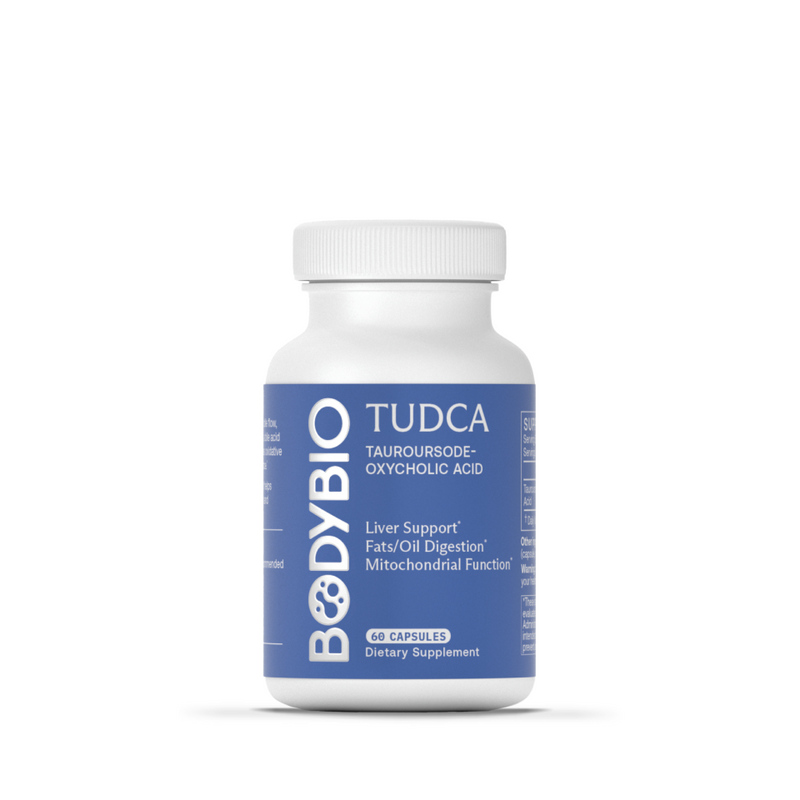
Key Takeaways:
One of the first things I pay attention to in clients who experience digestive symptoms is how well they are able to digest fats. It sounds almost too simple, but it tells me a great deal. When someone eats something as ordinary as a piece of fatty fish and feels heavy and overly full afterwards, as though the meal is just sitting there, that's often the first clue that sends me looking upstream, towards bile and digestive inputs.
What Bile Is and What It Actually Does
Bile rarely gets much attention when we talk about gut health. The conversation tends to jump straight to bacteria, or to fibre. But bile does a quiet and important job, and when it isn't flowing well, you tend to notice.
So what is bile?
Your liver makes bile acids from cholesterol — this is the raw material used to make bile by adding amino acids such as taurine and glycine to a bile acid. Between meals, it's stored and concentrated in the gallbladder, and when you eat, especially something fatty, it's released into the small intestine. There it meets water and fat and emulsifies it, breaking the fat into tiny particles your body can absorb.
I often describe bile to clients as washing-up liquid. When you're doing the dishes, a drop of it cuts straight through the grease and lifts it off the plate. Bile does something similar with the fat in your food. It's an imperfect comparison, but the point stands: without enough bile, fat isn't handled well, and that heavy, overly full feeling starts to make sense.
Bile Affects More Than Just Digestion
In addition, there's a knock-on effect here that's easy to miss. Some of the most important vitamins — A, D, E and K — are fat-soluble, which means they're absorbed alongside the fat in your food. If fat isn't being broken down and digested well, those vitamins don't get in as easily either. So this is about far more than comfort after a meal. Digesting fat properly is part of how you actually get nutritional value from what you eat.
Bile is also the main exit route for cholesterol, and for a lot of what the liver has already processed such as hormones and medications. Bile acids also behave like signalling molecules influencing blood sugar, appetite hormones and inflammation, and they help shape which bacteria thrive in the gut. So bile sits at the meeting point of digestion, metabolism and the microbiome.
TUDCA as Part of a Broader Approach in Clinical Practice
Before any supplement enters the conversation, the foundations have to be in place:
-
Giving the digestive system proper breaks between meals
-
Eating in a way that's calm rather than rushed
-
Chewing well
-
Moving your body
-
Taking some of the pressure off a nervous system that's running too hot
Contrary to popular belief, one of the most direct things you can do for bile flow is eat enough healthy fat at your meals, because fat is the actual physiological trigger for the gallbladder to release bile. Chronically low-fat eating is one of the most common reasons bile stagnates, and no supplement corrects a long-term habit that is working against you.
Supplements, of course, have a place, but they are exactly what the name suggests: a supplement. An extra bit of support when it's needed.
When additional bile support is what I'm after, I'll often bring in TUDCA — a bile acid that occurs naturally in the body in small amounts, as the taurine-conjugated form of ursodeoxycholic acid. I use it to support bile flow, particularly for clients who find fat harder to digest.*
Bile also plays a role in keeping the gut environment balanced, which is part of why it matters well beyond fat digestion — and part of why TUDCA is on my radar so often in practice. When that balance is off, supporting healthy bile flow is one of the things I'll weigh up as part of the wider clinical picture.
Support Bile, Transform Digestion
For something that gets so little attention, bile quietly touches a great deal in digestion — how well you break down a meal, whether you actually absorb the fat-soluble vitamins in it, and, further out, how your metabolism and gut bacteria behave. That's why I look at it early — when a client tells me fat sits heavily in the gut, or that meals leave them sluggish, bile and digestive output are among the first things I want to address.
In practice, the order matters more than any single product. The foundations come first — enough fat on the plate to prompt the gallbladder, meals eaten slowly, chewing properly, the everyday habits that let digestion do its job. It's also why I'm wary of leading with a supplement: it's easy to end up chasing a product when the real gain is sitting in the basics. Once those are properly in place, a targeted tool like TUDCA has solid ground to work from, and can offer real support — because the foundations underneath it are already working.*